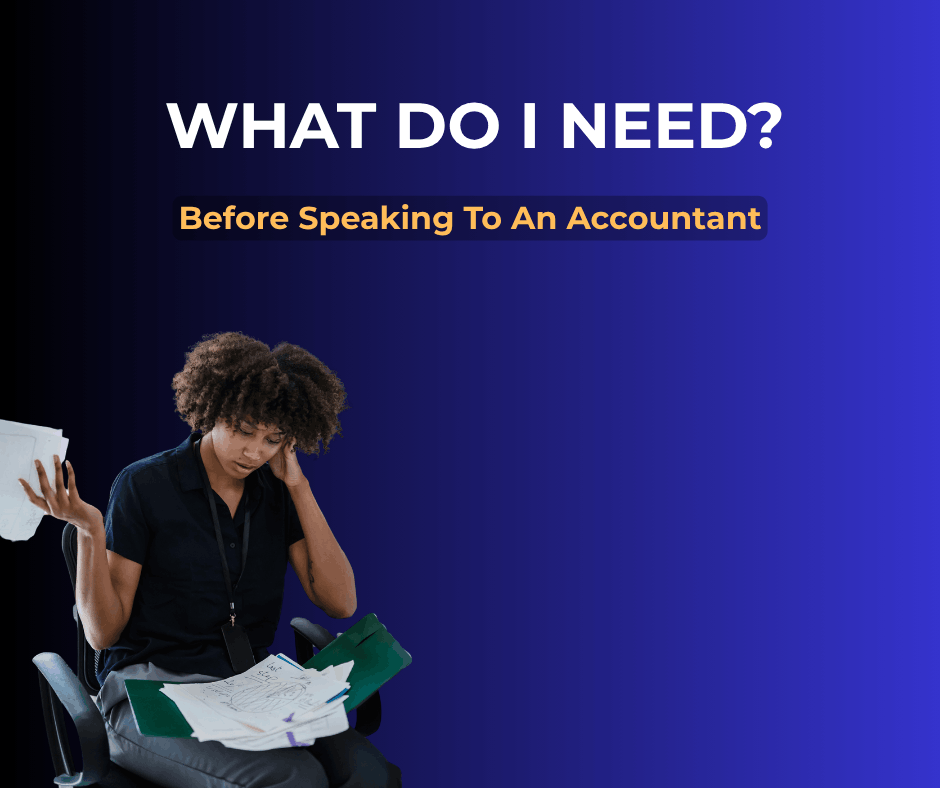

One thing I’ve noticed over the years is that many landlords spend far longer than they need to preparing for their first conversation with an accountant.
Looking back, many have told me they delayed getting in touch because they wanted to have everything ready first.
The difficulty was, they didn’t actually know what “everything” meant.
If you’ve never reported rental income before, or you’ve never completed a Self Assessment tax return, it’s completely understandable to wonder where to begin.
Should you gather bank statements?
Do you need tenancy agreements?
What about mortgage statements or repair receipts?
Many landlords spend months trying to answer those questions themselves before speaking to an accountant.
By the time we first speak, they often tell me they wish they had made that call much sooner because they discovered the first conversation wasn’t about arriving with a perfect file. It was about understanding their circumstances and working out, together, what information would actually be helpful.
🎥 Related Video
If you’re wondering what actually happens once you’ve made that first call, this video walks you through what you can expect during your first conversation and how the process usually begins.
Start with what you already know
Before worrying about paperwork, it helps to think about the story behind the property.
For example:
- When did you buy the property?
- Did you ever live in it yourself?
- Approximately when did you start renting it out?
- Is it still being rented today?
- Did you manage it yourself or use a letting agent?
Don’t worry if you can’t remember every exact date.
At this stage, we’re simply trying to build a timeline that helps us understand your circumstances.
Once that timeline is in place, it becomes much easier to identify what information is needed next.
What documents are useful?
After we’ve understood the timeline, we’ll usually start looking at the documents that help build the financial picture.
These might include:
- Bank statements showing rental income and property-related expenses.
- Letting agent statements, if an agent managed the property.
- Mortgage statements.
- Tenancy agreements, if they’re available.
- Previous Self Assessment tax returns, if you’ve submitted any.
- Property purchase or sale documents, where relevant.
You don’t need to have every one of these before making the first call.
Bring together whatever you already have.
We’ll then discuss whether anything else is needed and, if so, where it can often be obtained.
What if some information is missing?
This is one of the biggest worries landlords have.
Many people assume that if they can’t find older records, they can’t move forward.
In reality, that’s rarely the case.
Older bank statements can often be requested from your bank.
Letting agents may still hold records.
Previous Tax Returns may provide useful information.
Sometimes we use several different sources to build an accurate picture.
Every situation is different, which is why the first conversation is so valuable.
Rather than trying to work out exactly what is missing on your own, we can identify that together.
Many landlords only discover what information is really needed after understanding how the disclosure process works. You may also find this helpful:
How Landlords End Up With Years of Undeclared Rental Income
Don’t let uncertainty delay the conversation
One thing I’ve learnt from working with landlords over the years is that the biggest delay often isn’t missing paperwork.
It’s uncertainty.
People spend months, and sometimes years, trying to work out what an accountant will need before picking up the phone.
Looking back, many tell me they wish they had contacted me sooner.
Not because they suddenly found every document.
But because they realised they didn’t need to solve everything before asking for help.
The first conversation is about understanding your circumstances, identifying what information is already available and deciding what the next steps should be.
If you’ve been putting off speaking to an accountant because everything feels overwhelming, you may also like to read:
I Know I Need to Deal With It… So Why Haven’t I?
Final Thoughts
If you’re wondering what information you should gather before speaking to an accountant about undeclared rental income, start with what you already know and whatever documents you already have.
You don’t need a perfectly organised file before asking for professional advice.
The first conversation is there to help you understand where you stand, what information is likely to be needed and how to move forward with confidence.
Need Help Understanding Your Situation?
If you’ve been putting off speaking to an accountant because you weren’t sure what information you needed, you’re certainly not alone.
The first conversation isn’t about having every document or every answer ready. It’s about understanding your circumstances, identifying what information is already available and deciding the best way forward.
If you’d like professional advice tailored to your own situation, you can book a Paid Tax & Property Consultation.
During the consultation we’ll:
- Understand your circumstances and establish a timeline.
- Discuss what information is already available and what may still need to be gathered.
- Talk through the possible next steps based on your individual situation.
The first conversation doesn’t solve everything.
But it often changes how the journey feels going forward.